
 Access Your Account
 Cash Manager
Unfortunately, fraudsters are getting smarter, and with the rising popularity of AI, scams are getting more sophisticated. What used to be an obvious email from a “Nigerian prince” has evolved into realistic, convincing schemes that can fool even the most careful people.
The good news? A little awareness goes a long way. Here’s what to watch for and how to protect yourself.
1. The “Your Account Is at Risk” Call or Text
This one is everywhere right now. You get a call, text, or email that looks like it’s from your bank, warning you that your account has been compromised. It feels urgent. It looks official. And that’s exactly the point.
Scammers use that sense of panic to get you to act fast without thinking. They might ask you to “verify” your account number, Social Security number, or online banking password.
Here’s the rule: Deerwood Bank (or any reputable bank) will never call or text you asking for your password, PIN, or full account number. If something feels off, hang up and call the number on the back of your debit card or on your bank’s official website directly.
2. Zelle, Venmo, and “Accidental Payment” Scams
Peer-to-peer payment apps are convenient, but they’re also a popular tool for scammers. A common scheme goes like this: someone sends you money “by mistake” and then asks you to send it back. The problem is, the original payment was made with a stolen account, so once you send your own money back, you’re out of pocket with no way to recover it.
Never send money to someone you don’t know, even if it seems like you’re just returning funds that don’t belong to you. Contact your bank before taking any action.
3. Fake Job Offers and “Mystery Shopper” Schemes
These scams often target people who are job hunting or looking to earn a little extra on the side. You’re offered a flexible gig, sent a check to get started, and asked to deposit it and send a portion somewhere else to “complete your assignment.”
The check is fake. Your bank will eventually bounce it, but by then, you’ve already sent real money out. Legitimate employers do not send checks and ask you to wire money back. Ever.
4. Grandparent Scams and Impersonation Calls
This one is particularly hard to spot because it preys on emotion. A scammer calls pretending to be a grandchild (or a lawyer, police officer, or bail bondsman on their behalf) and claims there’s an emergency. They need money right away and beg you not to tell anyone. And, AI is making these voice calls nearly unmistakably realistic.
Take a breath before you act. Call your family member directly on a number you already have to verify the situation. Scammers count on urgency and secrecy keeping you from doing that.
5. Phishing Emails and Fake Websites
Fraudulent emails designed to look like they’re from your bank, the IRS, Paypal or even a retailer you use are still incredibly common. They typically include a link that takes you to a fake website designed to capture your login credentials.
Before clicking anything, look closely at the sender’s email address. Official organizations don’t send emails from Gmail accounts or addresses full of random characters. When in doubt, go directly to the website by typing the address yourself rather than clicking a link.
A Few General Rules
- Slow down. Scammers rely on urgency. A legitimate situation can always wait a few minutes for you to verify.
- When in doubt, call your bank directly using a number you trust.
- Never share your PIN, password, or one-time verification codes with anyone, including someone who claims to be from your bank.
- Trust your gut. If something feels off, it probably is.
At Deerwood Bank, protecting our customers is something we take seriously. If you ever receive a suspicious message that appears to be from us, or if you think you may have been targeted by a scam, please reach out to our team right away. And, if you think you’ve compromised your card or account, we’re always here to help in any way we can.
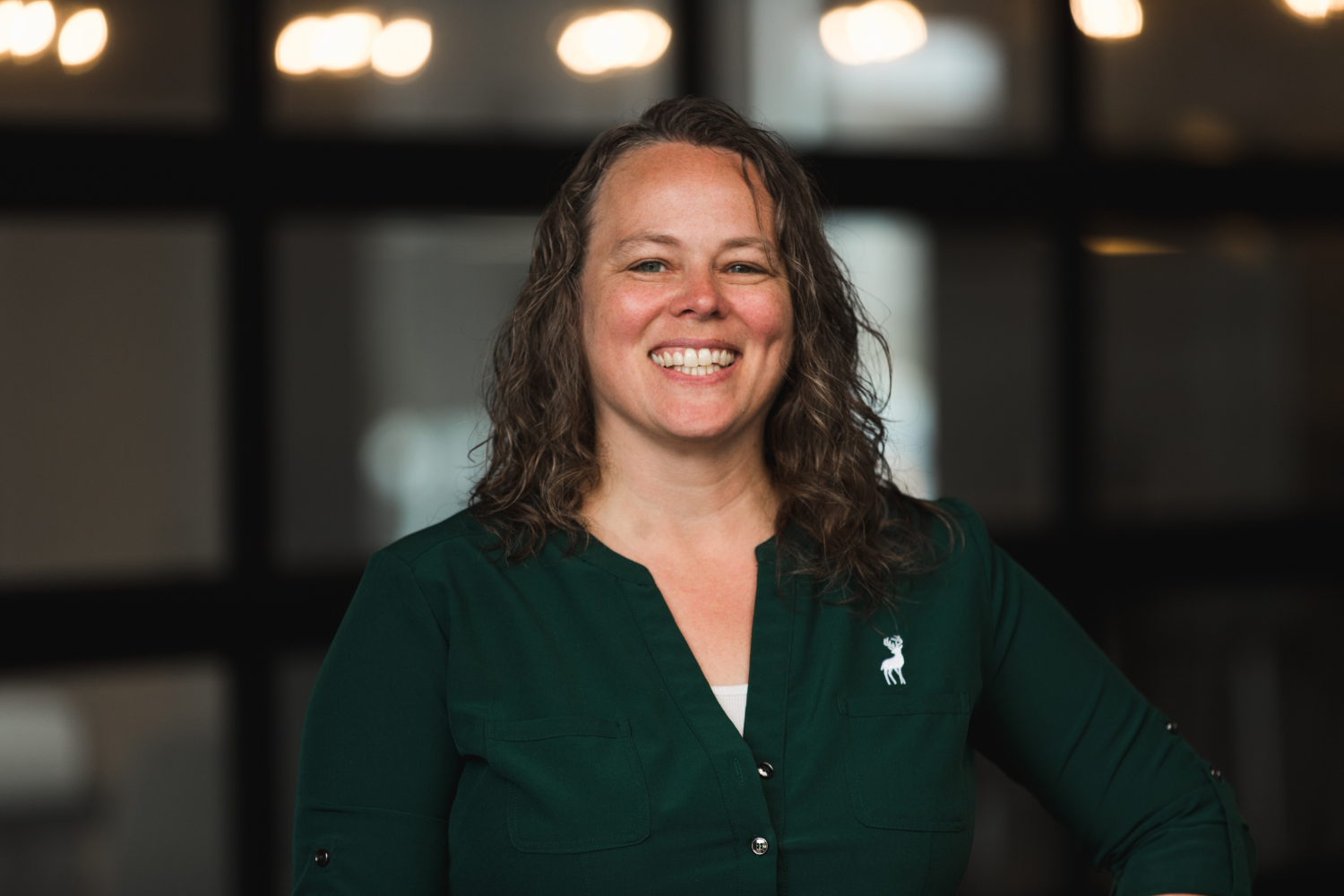
Heidi Tollefsrud
Heidi Tollefsrud is the Vice President – Customer Experience Director for Deerwood Bank. A graduate of the University of Minnesota Duluth, Tollefsrud manages Deerwood Bank’s entire retail banking department while also working to streamline and integrate the customer service experience across all delivery channels.
In her free time, Tollefsrud enjoys spending time with her friends and family while they explore new places in nature. On a warm summer day, you might be able to find Heidi riding her motorcycle on a nice tour around a local lake.
Related Articles

07/20/26
Community Deerwood Bank is pleased to announce updated roles for its retail leadership team, with Kaycee Cocking stepping into the position […]
Read more ›
07/08/26
Community Bemidji, MN – Deerwood Bank is pleased to announce the promotion of Robynn Halstad to Vice President – Retail Banking. This […]
Read more ›
06/30/26
Community Deerwood Bank is pleased to announce the promotions of Kiley Westrum and Melissa Graff to Retail Manager roles, supporting the […]
Read more ›